
Application of Hollow Glass Microspheres in Aerospace Materials
Ocean Elite supports aerospace material systems with Hollow Glass Microspheres for aircraft structural parts, aerospace composite shells, thermal insulation sandwich layers, electronic encapsulation and functional composite materials.
Lightweight Composite Materials
Aerospace Composite Parts
Thermal Insulation Layers
Low Dielectric Systems
Low Density
Aircraft lightweighting support
High Strength
Microsphere survival in processing
Flowability
Molding and casting efficiency
Low Dielectric
Avionics insulation support
Thermal Stability
Heat insulation and resistance
Aerospace Material Systems Need Lightweight, Stable and Reliable Fillers
With low density, high compressive strength, spherical shape and outstanding chemical stability, Hollow Glass Microspheres are widely adopted in high-end aerospace and national defense materials. HGMs reduce material density to realize lightweight design, optimize composite flowability and dimensional stability, and improve surface finish.
For aircraft structural parts, aerospace composite cabins, thermal insulation sandwich layers, aerospace electronic encapsulation and functional composites, HGMs deliver integrated solutions featuring lightweight performance, high performance and feasible processing.
- Reduce structural part weight to improve fuel efficiency, flight endurance and payload capacity.
- Maintain dimensional accuracy under high temperature, high humidity and mechanical vibration.
- Support thermal insulation, heat resistance and high-temperature tolerance.
- Improve low dielectric performance and electrical insulation for aerospace electronics.
- Improve filling uniformity and smooth surface quality in molding or casting processes.
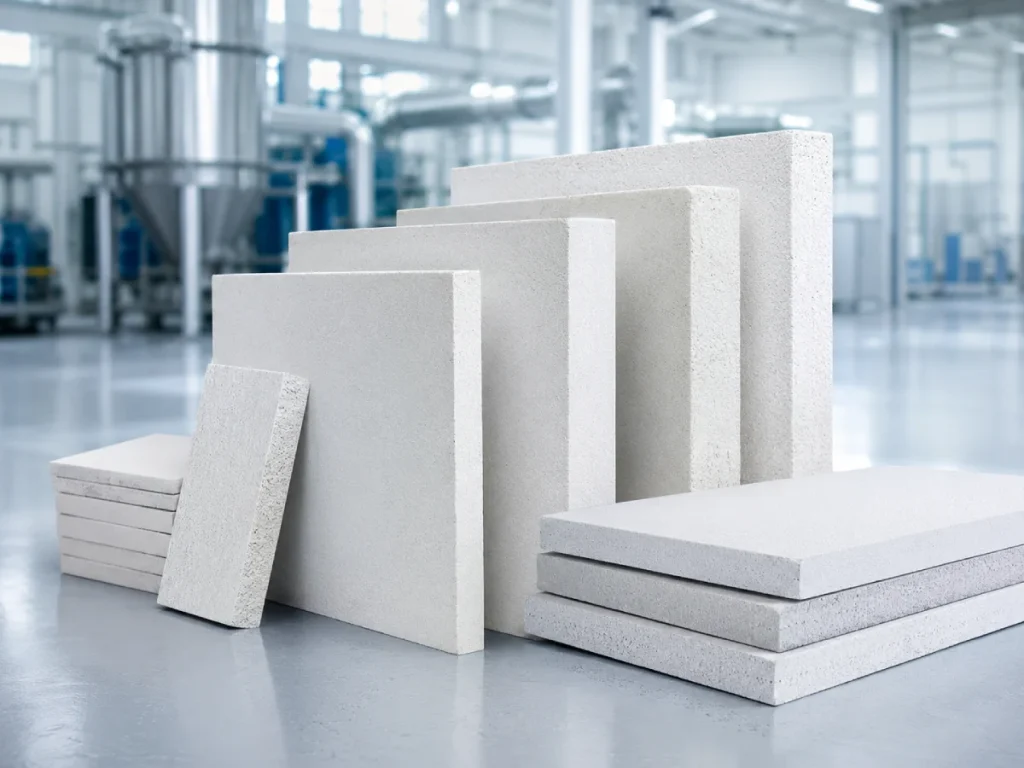
Functional Benefits of HGMs in Aerospace Materials
| PROPERTIES | ENGINEERING VALUE | AEROSPACE RESULT |
|---|---|---|
| Low Density | Cut weight of components to achieve overall aircraft lightweighting. | Helps improve fuel efficiency, endurance and payload capacity. |
| High Compressive Strength | Protect microspheres from damage during production and service. | Supports processing reliability and long-term structural performance. |
| Spherical Particle Shape | Improve resin fluidity and boost molding and casting efficiency. | Supports uniform filling and smooth surface in complex aerospace parts. |
| Dimensional Stability | Minimize warpage and shrinkage for precise component dimension. | Helps retain accuracy in precision composite parts. |
| Low Dielectric Constant | Meet insulation and signal transmission needs of aerospace electronics. | Supports avionics encapsulation and signal stability. |
| High Thermal Stability | Enhance thermal insulation and high-temperature resistance. | Supports engine compartments, electronic cabins and fireproof materials. |
Selection Guide for Engineers
Aerospace material development should evaluate density, particle size, compressive strength, dimensional stability, low dielectric constant and chemical stability together. These parameters affect lightweight design, resin flowability, filling uniformity, microsphere survival, precision reliability and resistance to fuel, lubricating oil and high-temperature surroundings.
| PARAMETER | ENGINEERING SIGNIFICANCE | SELECTION NOTE |
|---|---|---|
| Density | Control component weight for lightweight design. | Match the target structural weight and performance balance. |
| Particle Size | Determine composite fluidity and filling uniformity. | Choose based on molding, casting and surface finish requirements. |
| Compressive Strength | Ensure intact microspheres under high temperature, high pressure and vibration. | Use higher-strength grades for demanding processing and service conditions. |
| Dimensional Stability | Guarantee precision and long-term reliability of finished composites. | Validate shrinkage and warpage control in the final resin system. |
| Low Dielectric Constant | Satisfy insulation and signal transmission requirements for aviation electronics. | Important for electronic encapsulation and radar-related support parts. |
| Chemical Stability | Resist erosion from fuel, lubricating oil and high-temperature surroundings. | Confirm long service reliability under real application conditions. |
How to Choose Automotive HGM?
Start from the resin system, component type, processing method and surface quality target.
- Interior PP/EPDM parts – focus on density, flatness and impact toughness.
- Exterior ABS or PC/ABS parts – verify mold filling, surface quality and painting effect.
- EV battery housings – check PA66 composite strength and heat resistance.
- SMC/BMC parts – balance molded density, dimensional stability and surface finish.
Key Engineering Values
Lightweight
Lower density of composites and structural parts with elevated specific strength.
Structural Performance
Support strength and rigidity requirements in aerospace composite systems.
Processability
Spherical particles improve processability and mold filling behavior.
Thermal Management
Reduces warpage and shrinkage while improving part precision.
Stable Dimension
Restrict shrinkage and warpage for precision components.
Low Dielectric
Secure signal transmission and electrical safety of aerospace electronics.
Typical Application Fields
Aircraft Structural Components
Use examples: Seat brackets, partition boards, composite beams and door frame assemblies.
Aerospace Composite Outer Shells
Use examples: Cabin panels, composite housings and auxiliary cabin structural parts.
Thermal Insulation Sandwich and Syntactic Foam
Use examples: Engine compartment thermal barrier, electronic cabin insulation and aerospace floor sandwich core.
Aerospace Electronic Insulation Components
Use examples: On-board electronic encapsulation, radar supports and aviation control modules.
Aerospace Application Do's and Don'ts
Recommended Practices
✅ Define the target part first: structural component, shell, insulation layer or electronic insulation part.
✅ Match density with strength and rigidity requirements instead of selecting only the lightest grade.
✅ Check particle size, filling uniformity and surface finish in the actual molding or casting process.
✅ Verify low dielectric, thermal stability and chemical stability under real service conditions.
Common Mistakes
❌ Using a general filler logic for aerospace-grade precision composite parts.
❌ Ignoring microsphere breakage risk under high temperature, pressure or vibration.
❌ Skipping dimensional stability tests for parts requiring tight tolerance.
❌ Assuming low dielectric performance without testing the final resin composite system.
Customization & Technical Support
Ocean Elite can support HGM grade selection for aerospace material systems where lightweighting, dimensional stability, thermal insulation, low dielectric performance and processing reliability need to be balanced.
- Density and particle size matching
- Compressive strength review for processing survival
- Low dielectric and insulation direction
- Thermal stability and chemical resistance discussion
- Application-based sample recommendation
Testing Documentation for Aerospace Materials
Aerospace composite materials should be verified through the final resin system and actual process conditions. The same HGM grade may perform differently in structural composites, SMC/BMC shells, syntactic foam and low-dielectric electronic insulation systems.
- Density and final part weight comparison
- Particle size distribution and resin flowability review
- Compressive strength and microsphere survival rate
- Dimensional stability, shrinkage and warpage evaluation
- Thermal insulation and high-temperature resistance testing
- Low dielectric and electrical insulation verification
- Chemical stability under fuel, lubricating oil and heat exposure
Recommendation: Confirm HGM performance inside the actual aerospace resin composite system before bulk application.

Frequently Asked Questions
1. What are Hollow Glass Microspheres used for in aerospace materials?
Hollow Glass Microspheres are used in aerospace materials to reduce composite density, support lightweight design, improve resin flowability and dimensional stability, enhance surface finish and provide thermal insulation, heat resistance, low dielectric performance and electrical insulation.
2. Why are HGMs suitable for aircraft structural components?
HGMs offer low density, high compressive strength and spherical particle shape. In epoxy and carbon fiber composite systems, they help reduce component weight while maintaining structural strength and rigidity.
3. Which aerospace applications can use HGMs?
Typical applications include aircraft structural components, aerospace composite outer shells, thermal insulation sandwich layers, resin-based syntactic foam, aerospace floor sandwich cores and aerospace electronic insulation components.
4. What parameters should engineers check for aerospace HGM selection?
Engineers should check density, particle size, compressive strength, dimensional stability, low dielectric constant and chemical stability. These parameters affect weight control, flowability, microsphere survival, precision reliability, signal transmission and long-term resistance to fuel, lubricating oil and heat.
5. Can HGMs improve aerospace thermal insulation performance?
Yes. HGMs can support thermal insulation, sound deadening and lightweight design in resin-based syntactic foam and sandwich structures, including engine compartment thermal barriers, electronic cabin insulation and aerospace floor sandwich cores.
6. Can Ocean Elite support aerospace material grade selection?
Yes. Ocean Elite can support grade recommendations based on target density, resin system, particle size, compressive strength, dimensional stability, low dielectric requirement, thermal stability and final aerospace application environment.